
National Book Ban Advances to the House
On February 24, a new bill dubbed “Stop the Sexualization of Children Act” was introduced to the U.S. House of Representatives. On March 17, this bill passed the House Committee on Education and Workforce, which means it now moves forward to be deliberated by the full House of Representatives. This bill seeks to withhold federal funding from public classrooms and school libraries alleged to run programs or provide “sexually oriented material” and specifically calls out literature and curriculum that involves “gender dysphoria or transgenderism.”
You can read the entire text of the bill and track its status here.
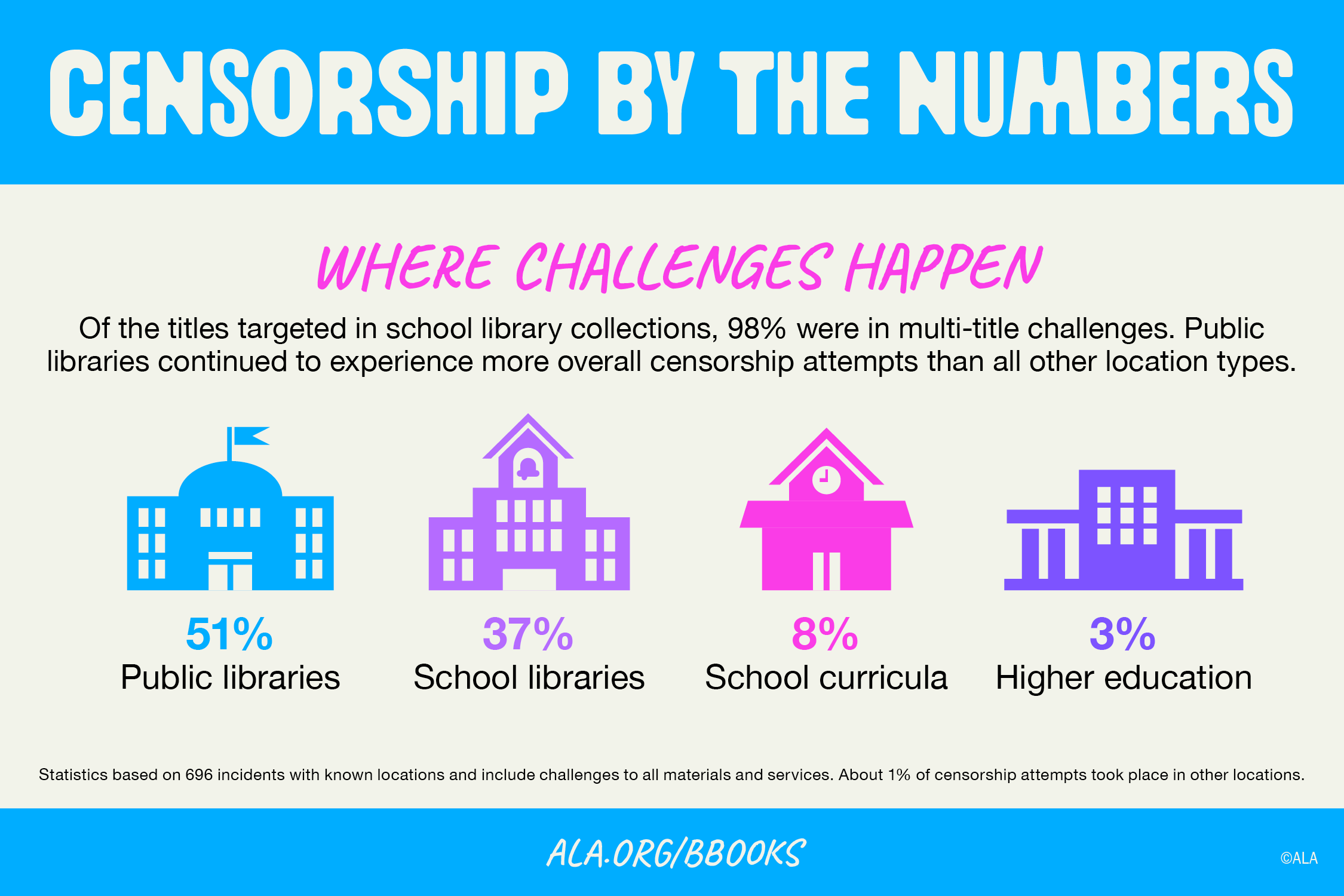
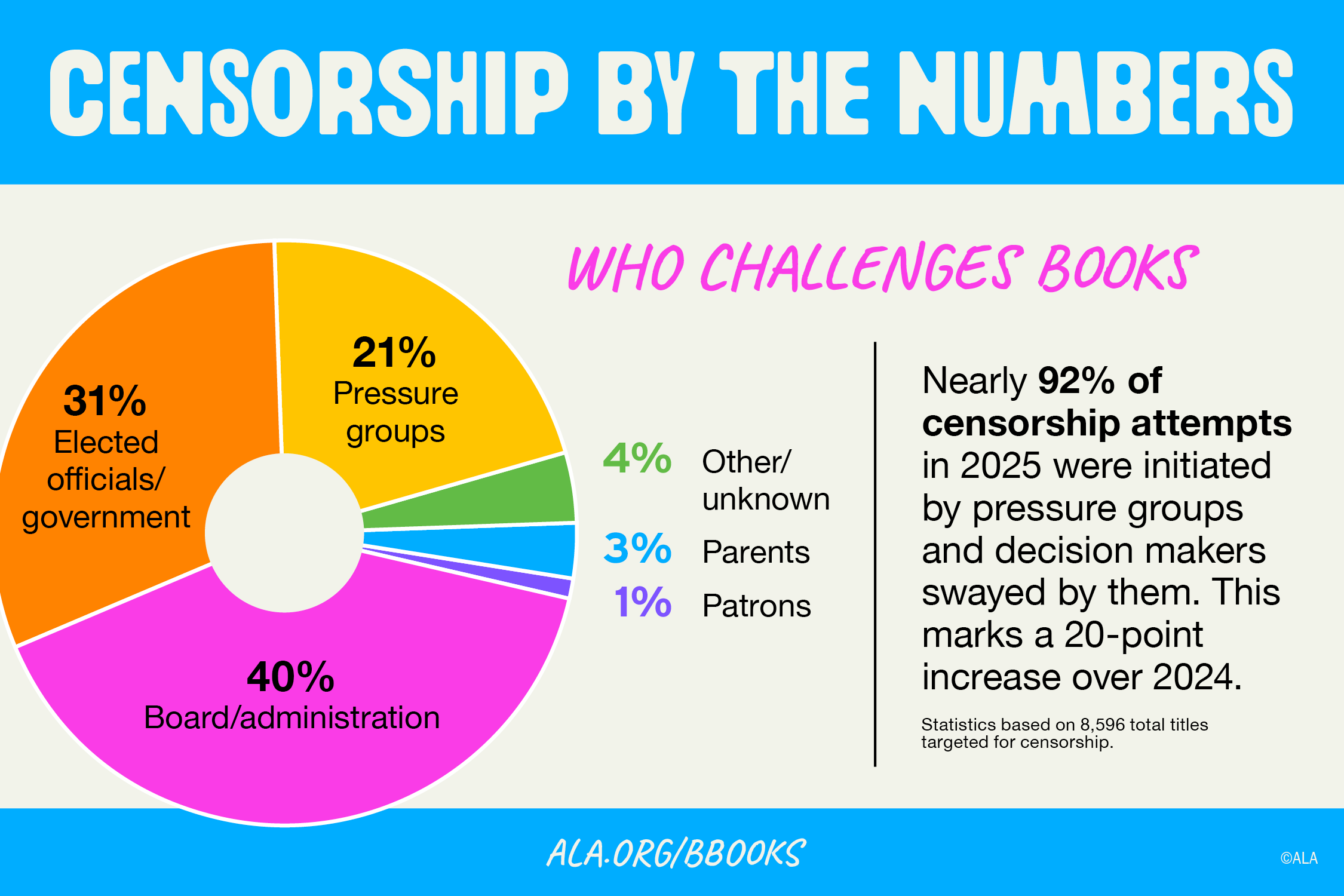
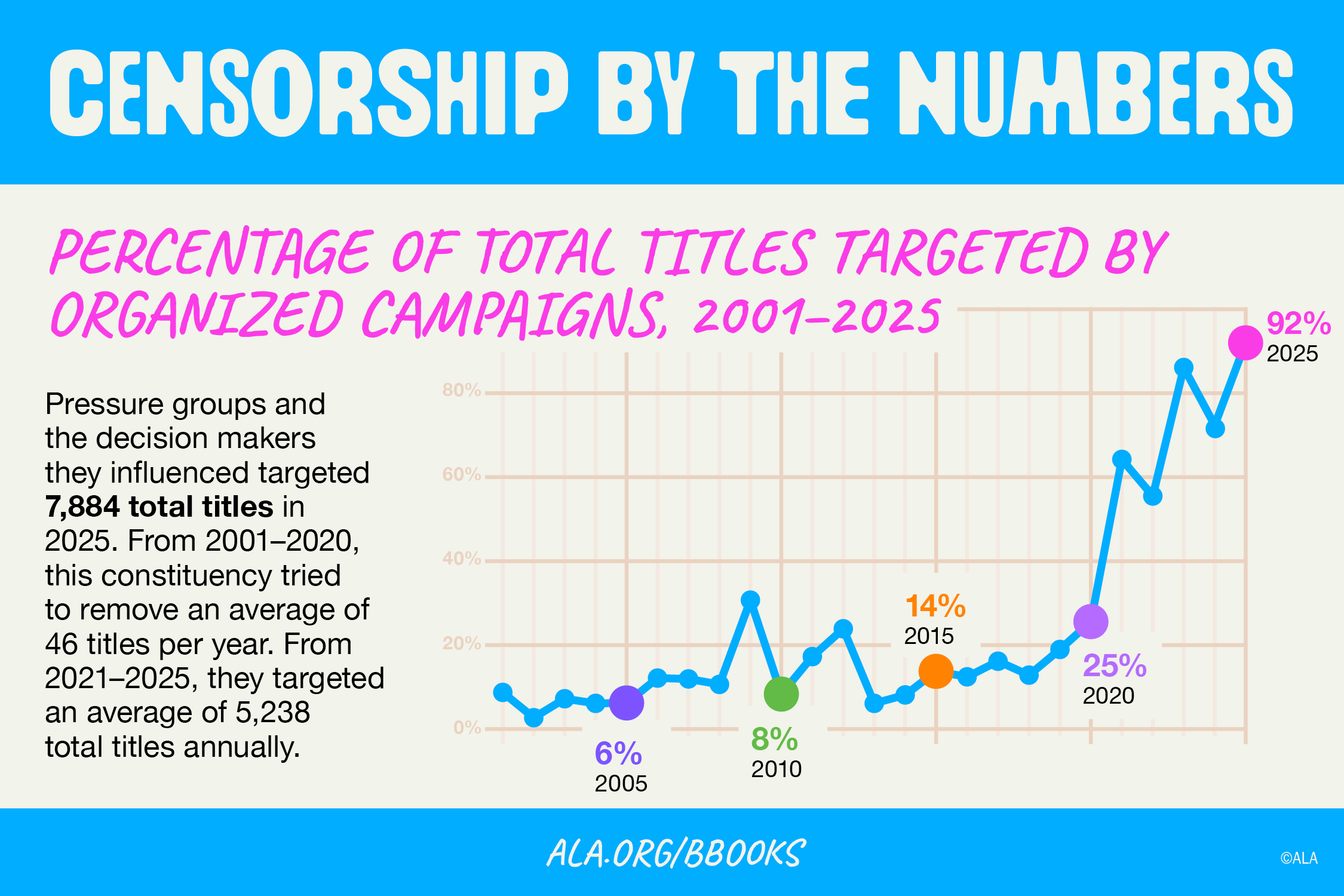
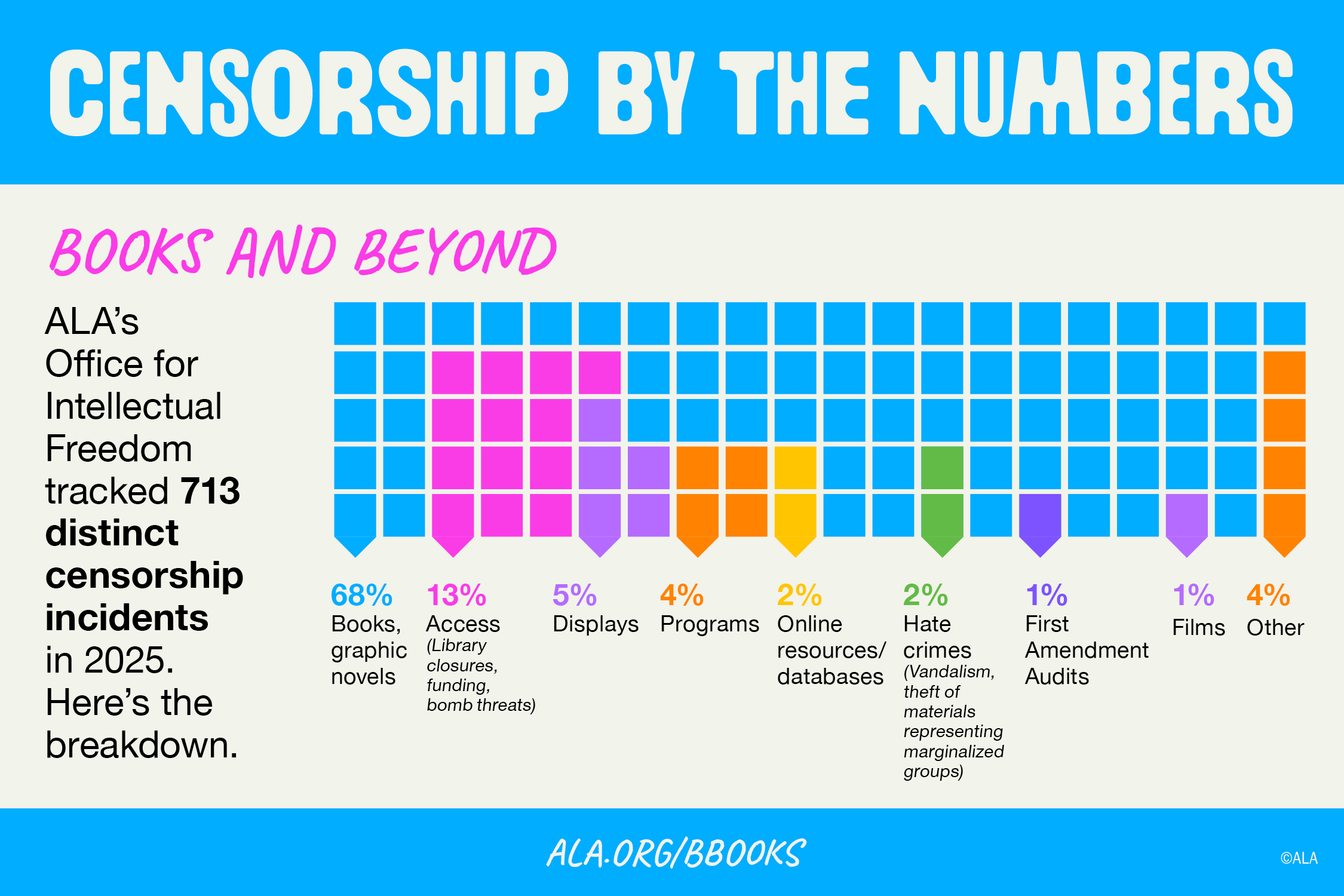
The language in this bill is vague and harmful, clearly seeking to erase marginalized voices, LGBTQIA+ experiences, diverse stories, and the freedom of parents to choose how to educate their children. While there are currently no federal laws banning books, there has been a record level of state legislation over the past few years, with bans predominantly targeting LGBTQIA+ characters and race-related themes.
H.R. 7661 takes aim at LGBTQIA+ rights as well as the First Amendment and individual choice on a federal level, but it is also clearly seeking to limit and defund public education, as the bill only applies to public schools and public school libraries.
Parents already have the right to opt their children out of the public school curriculum that they do not like. Additionally there are current federal standards in place for what is considered “obscene” material and therefore, illegal. Educators and librarians are also trained in understanding students’ needs based on age and maturity level and are certified to vet and provide appropriate material for the students they interact with on a daily basis.
The impact of this bill if passed would be far-reaching and highly destructive, reducing access to books and other educational materials, silencing transgender, queer, and other marginalized voices, erasing historical truths, endangering our public educators and librarians, increasing literacy issues and flattening culture, as well as disenfranchising poor communities who rely on public schools to provide a well-rounded education to their children.
But there’s good news here! While the bill passed the House subcommittee, that committee was majority Republican and the bill was roundly met with criticism from other committee members. Even though it passed onto the House for review, it has not yet been scheduled on the agenda and faces numerous hurdles before it can become a law. We still have time to act and make our voices heard!
Four Actions You Can Take Today
Action 1: Call your House Representatives and tell them you oppose HR 7661. This bill is not yet on the House Session calendar for review. While calling our Senators is important, too, in this case, the urgency is with the House and these are the people we need to be talking to. Oregon’s own District 1 Representative Suzanne Bonamici is on the House Committee on Education and Workforce and voted No on HR 7661. Call her and thank her and ask her to continue to fight against this bill. You can also ask your representatives to support bills like H.R. 6440, the Right to Read Act, which seeks to protect and expand literacy in public schools for all groups as well as continued funding and access to education materials. Don’t know what to say? Check out 5Calls.org script for inspiration
Action 2: Make your voice heard in your community. Attend a library or school board meeting and if there is an opportunity, speak out about censorship. Write a letter to the editor about the importance of public education. If you’re in a book club, read a banned book and start a discussion of the importance of diverse stories. If you’re not in a book club, you can still read banned books and recommend them to your friends! Not sure where to start? Check out the American Library Association’s list of Top 10 Most Challenged books in 2024.
Action 3: Support your local public library by getting a library card, checking out books, using other resources, and attending events. Using the library helps them gain the funding they need to support our communities. If funding is on the ballot, vote in favor of both library and public education. Let your officials know that literacy and education are important to you! If you live, teach, go to school, or own property in Multnomah County, you can request a free library card. Learn more about the Multnomah County Library and the services they offer here!
Action 4: Watch The Librarians documentary streaming on PBS and YouTube. Then continue learning about the history and impact of book banning and how to stay engaged by checking out these other resources:
Book Riot’s Literary Activism Newsletter